
The Night Berlin Stood Still
Football likes to pretend it is only about trophies. We count medals, argue about legacy, build neat hierarchies of greatness. And yet sometimes the game offers a moment that refuses to submit — a gesture so human, so raw, that it overshadows the medals.
July 9, 2006 was supposed to be Zinedine Zidane’s farewell match. Instead, it became something far more complex: a reminder that even legends are only one moment away from losing control.
A Final Written Like a Myth
Zidane arrived in Germany carrying the weight of expectations and the calm of a man who knows the road is ending. France stumbled at the beginning of the tournament, only to rediscover its rhythm when he stepped back into the spotlight — against Spain, against Brazil, against Portugal. By the time the final arrived, the narrative already felt complete: the master returning for one last act.
Marco Materazzi, meanwhile, was never meant to be the protagonist. He was a replacement, a defender who seized an unexpected opportunity when Alessandro Nesta’s injury reshaped the Italian side. He scored, fought, irritated — doing everything defenders do when they sense history starting to lean their way.
Two different paths crossed in Berlin. One was about legacy. The other — about opportunity.
Ninety Minutes of Tension
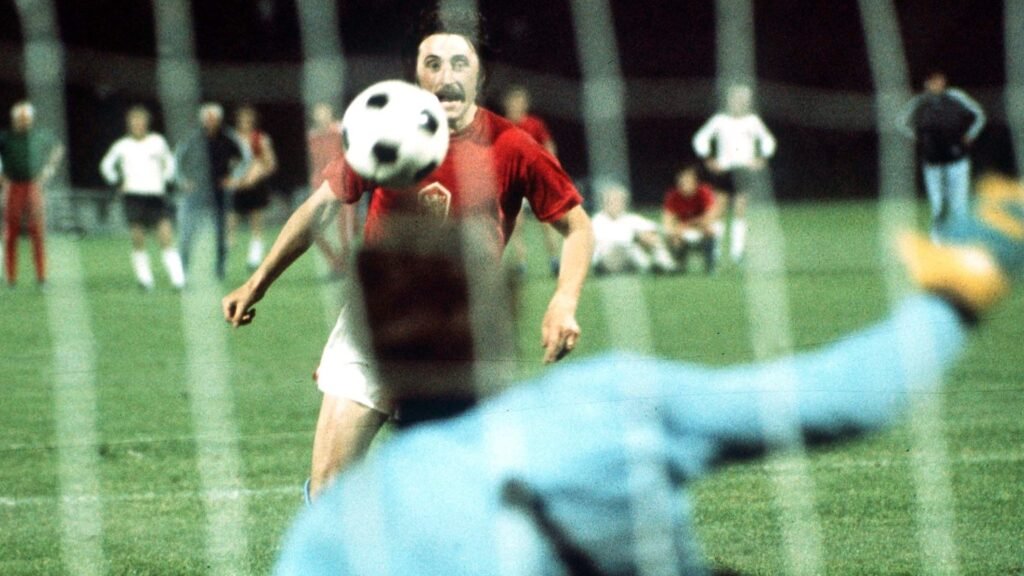
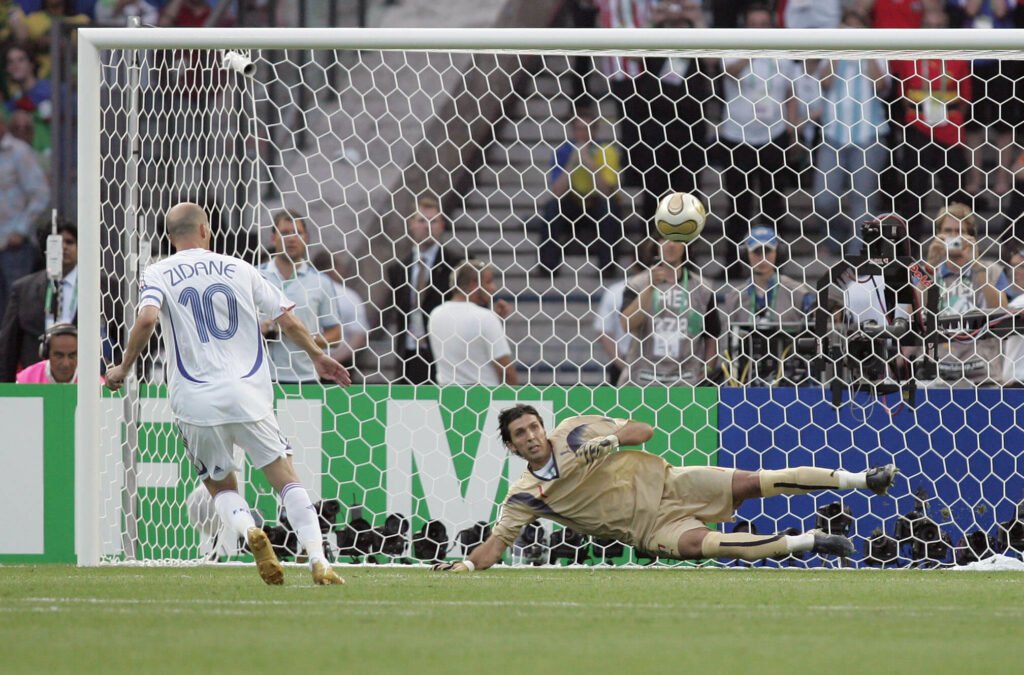
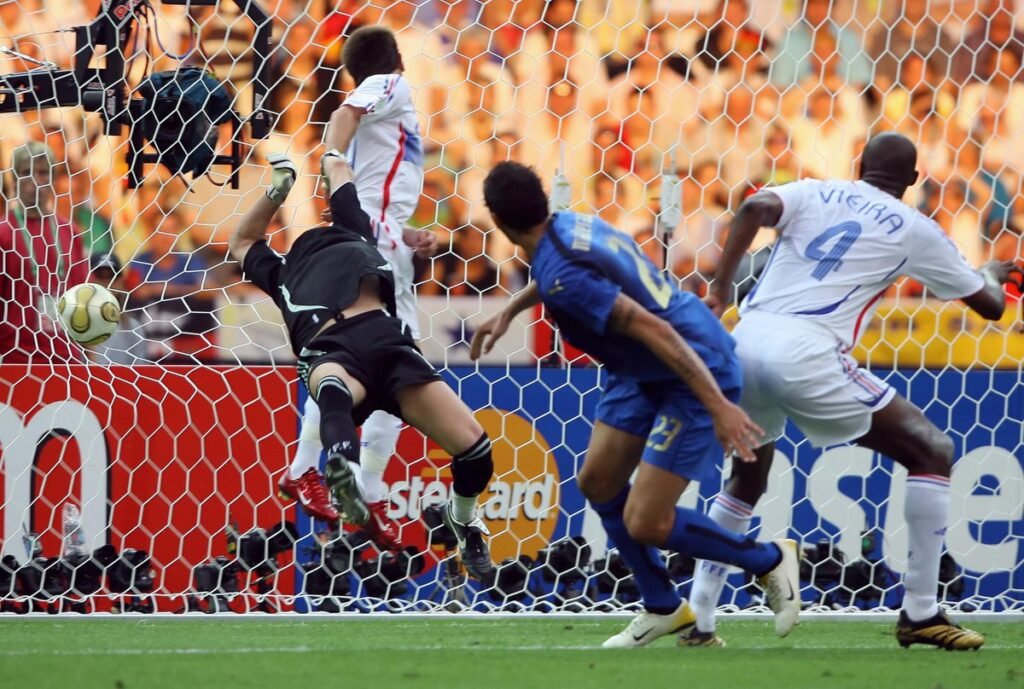
The opening minutes already showed this would not be an ordinary evening. Zidane opened the scoring with an audacious Panenka penalty, and Materazzi equalised with the brute force of a centre-back rising above the chaos in the box after a corner.
The match sank into tension. Every contact felt harder, every word sharper. In extra time Materazzi pulled Zidane’s shirt. The Frenchman replied with irony, saying he would give it to him after the match. The Italian responded with a provocation about his Zidane’s sister — and that was enough.
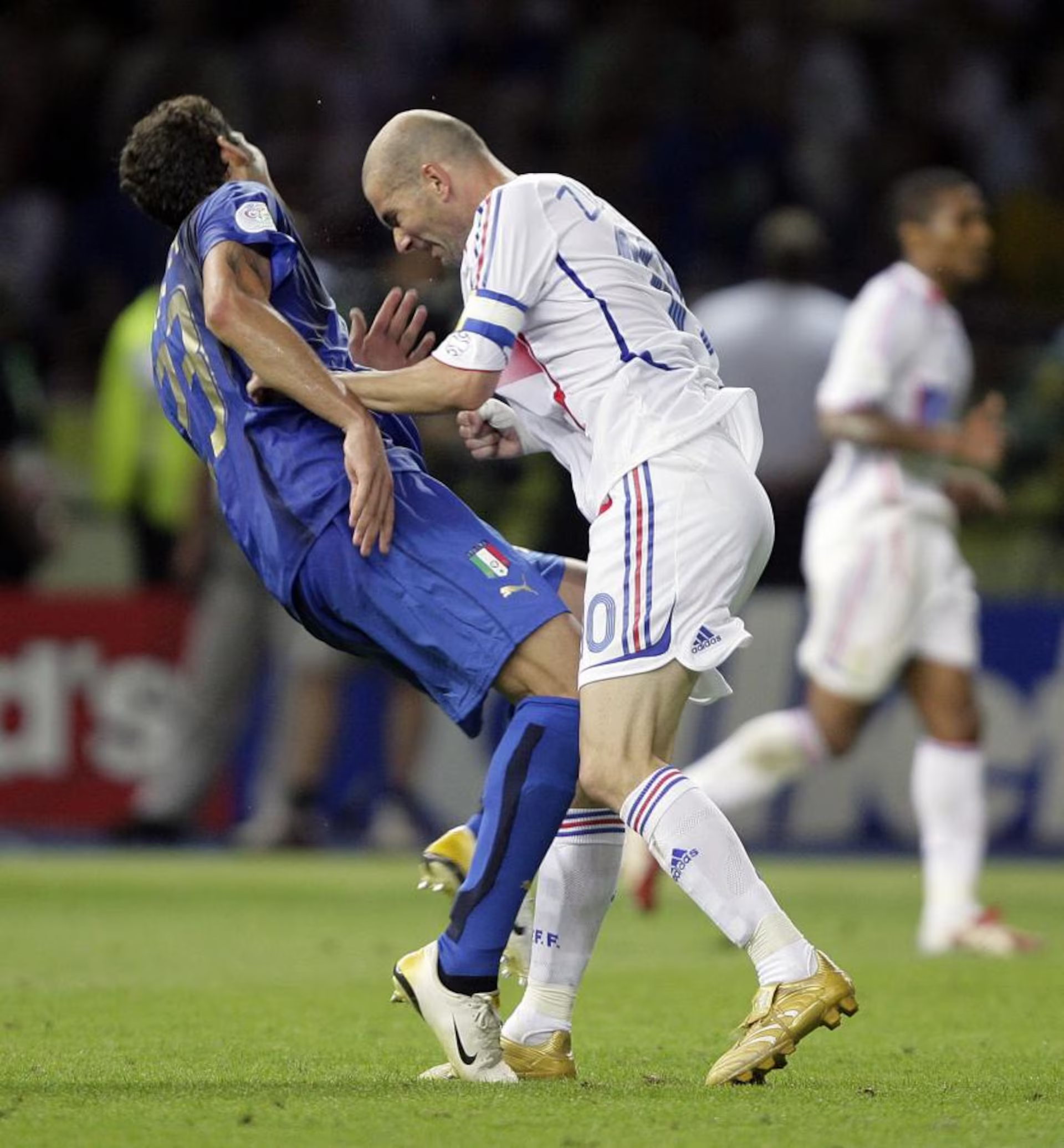
What happened next lived on around the world for years. Even people who were not football fans had heard about the Zidane headbutt.
The rest is now a pop-culture icon: Zidane turns, takes a few steps, and drives his head into his opponent’s chest. Red card. The final match of a great career ends with a lonely walk down the tunnel, and minutes later Italy win the final on penalties.
Who Said More?
Since that day, the question “what did Materazzi say?” has become almost a football urban legend. Rumours spoke of insults toward Zidane’s mother, but the Italian consistently denied it. He claimed his words were “stupid,” but referred to the Frenchman’s sister, not his mother.
Years later Materazzi explained it was ordinary trash talk, something considered normal in other sports.
Zidane offered me his shirt, and I said I preferred his sister,” he admitted in one interview.
Hero or Human?
The world’s reaction was divided. In France, many fans defended Zidane, seeing his action as an instinctive defence of honour. In Italy, Materazzi was both a world champion and an anti-hero who provoked a legend.
Zidane never tried to explain his act in detail. Years later he only said that his opponent’s words crossed a line. Materazzi, meanwhile, argued that the Frenchman was arrogant and that such exchanges are normal in the tension of a final.
The paradox is that both men scored in that match, both wrote themselves into World Cup history — and yet we remember above all the moment when the ball stopped mattering.
How the Zidane Headbutt Became the Weight of Memory
The story even received a monument — a statue depicting the moment of impact, installed at the Pompidou Centre in Paris.
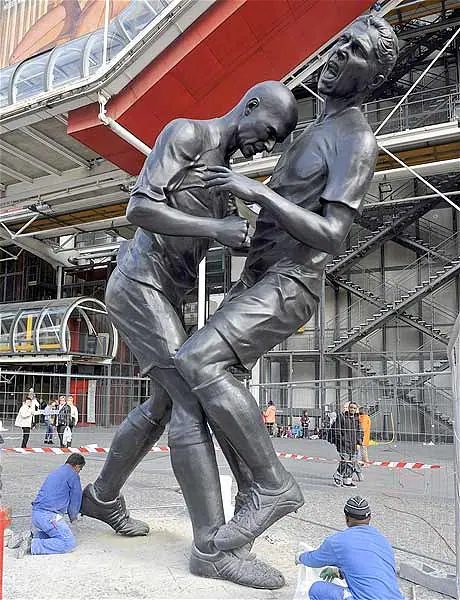
Perhaps that shows the scale of it best. The World Cup final, football’s biggest stage, is remembered not for the goals but for a burst of emotion. Materazzi later said he would like one day to have a calm conversation with Zidane.
The Berlin That Endures
Today Zidane is a coach and a symbol of elegance in football, Materazzi a man carrying one defining moment on his shoulders. And the 2006 final remains a lesson about the thin line between genius and anger.