The Story Behind the Panenka Penalty
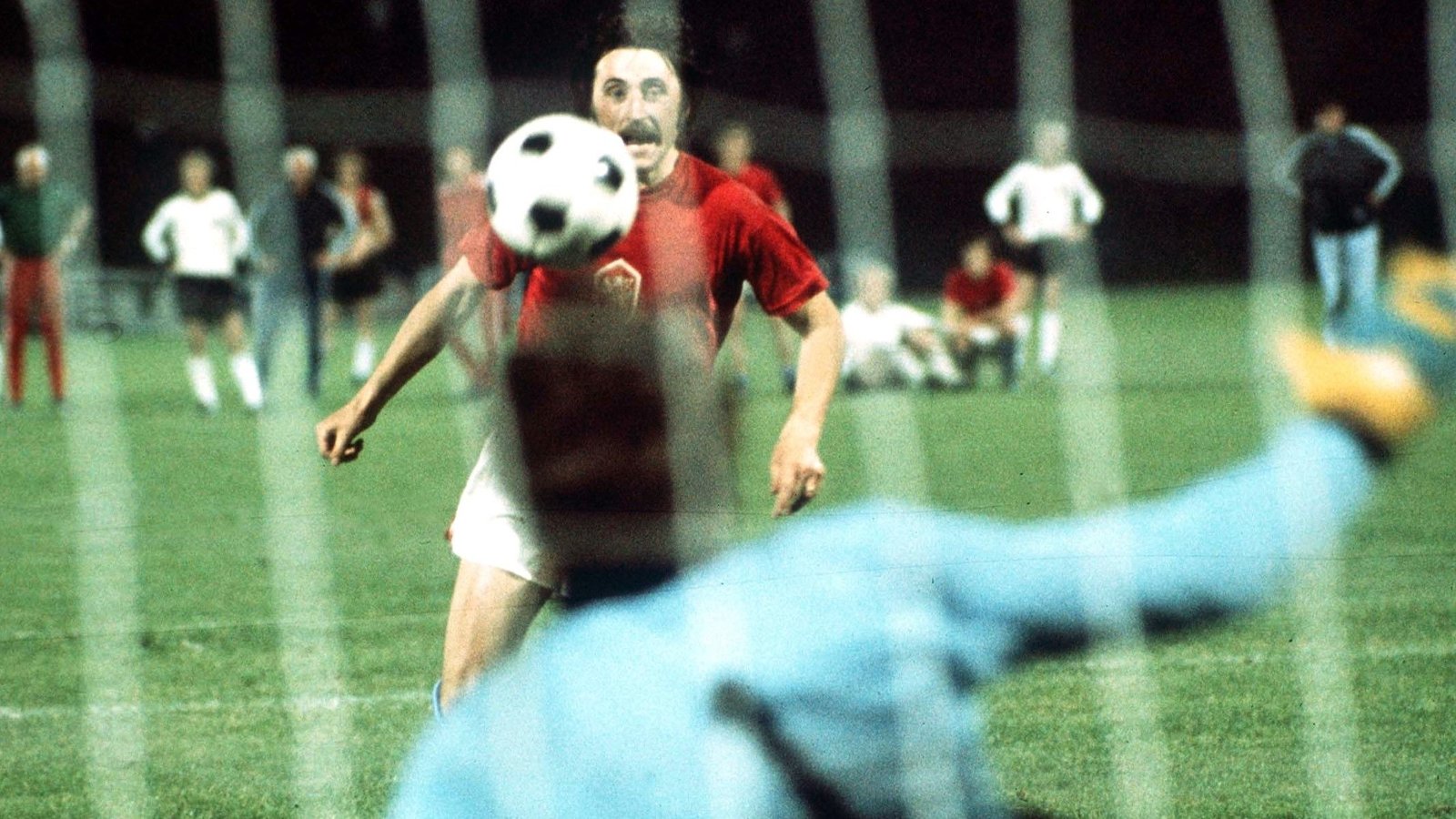
Hollywood would probably reject this script for being too improbable. A European Championship final. Czechoslovakia facing a West Germany side packed with icons, Franz Beckenbauer among them. Penalties decide everything. Uli Hoeness sends his effort over the bar, and suddenly the spotlight falls on Antonín Panenka, standing across from Sepp Maier — irritated, perhaps even offended, that he has yet to save a single kick.
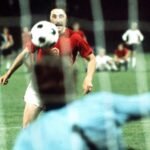
Panenka begins a long run-up, the posture suggesting a thunderous strike, the kind meant to overpower the goalkeeper rather than outthink him. Instead, he delivers a delicate chip straight down the middle, a gesture so calm it borders on insolence. A legend is born. Pelé reportedly called him either a genius or a madman; the French press preferred something more poetic — a footballing artist.
Panenka himself insists it was never an improvisation. At Bohemians, he stayed after training to practise penalties with goalkeeper Zdeněk Hruška. They would wager small luxuries — beer, chocolate — rare commodities at the time. Hruška proved annoyingly effective, saving more shots than Panenka converted, which meant both financial losses and wounded pride. The frustration forced him to think.
One sleepless night, he arrived at a conclusion: goalkeepers always wait until the last possible moment before committing. They dive just before the strike. If you gently lift the ball into the centre, even a soft effort becomes impossible to reach once the keeper moves. He tried it in training — and it worked perfectly.
There was, he jokes today, only one side effect: he started gaining weight from all the chocolate and beer.
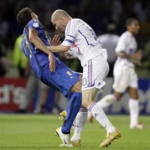
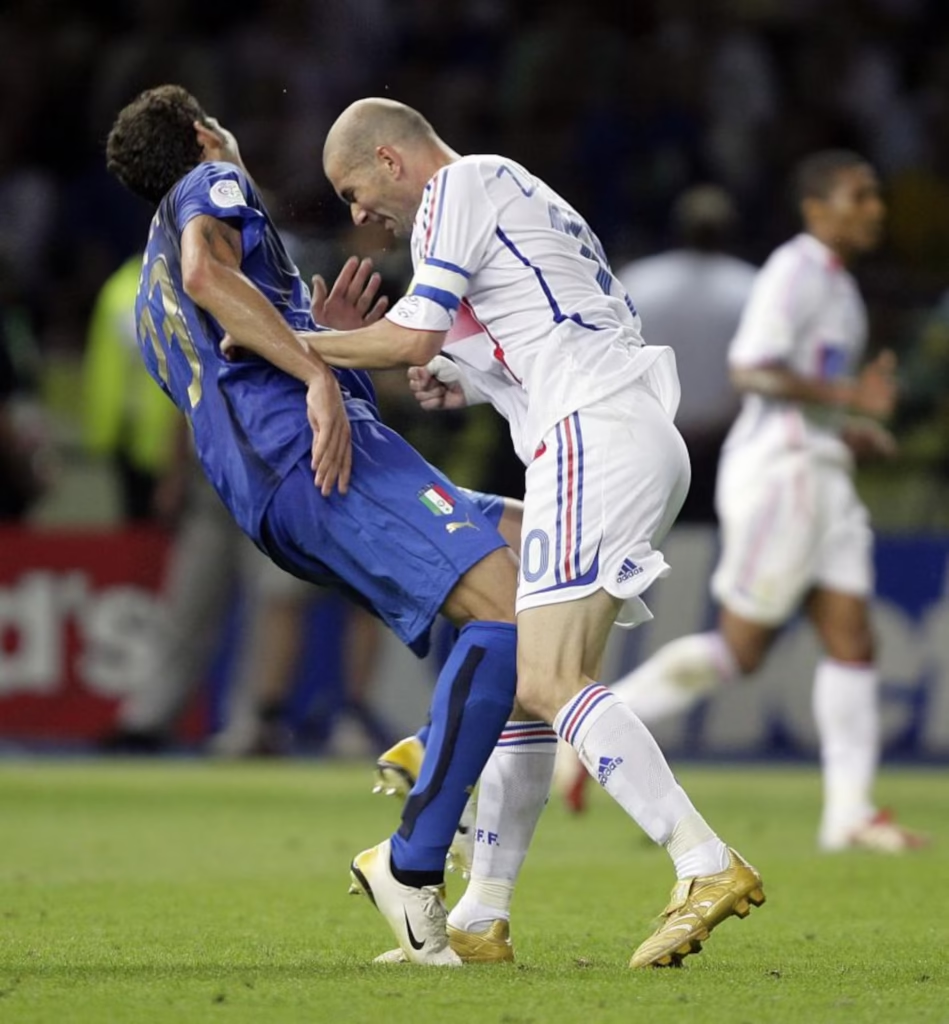
Since then, countless players have tried to replicate the move. Penalties are often more about psychology than technique, so it’s no surprise that those who succeed with this method tend to possess enormous self-belief. Zinedine Zidane came closest to perfection in the 2006 World Cup final, adding his own minimalist twist with only a few steps of run-up. Francesco Totti used a similar idea on a grand stage at Euro 2000, while Andrea Pirlo transformed the gesture into one of the defining moments of a European Championship.
Sebastián Abreu once argued that his own version deserved equal recognition, suggesting that the essence of the Panenka lies not in mechanics but in decision-making: you must be certain — absolutely certain — that the ball will end up in the net.
Yet it is not a method for everyone. The stakes are brutally simple: score, and you humiliate the goalkeeper; miss, and you humiliate yourself. Neymar, Rogério Ceni, Marko Dević, Peter Crouch and Robin van Persie all discovered how thin that line can be.
Panenka himself revealed that he had been using the technique for nearly two years before Euro ’76 — first in friendlies, then occasionally in league matches. Each time it worked, reinforcing his belief that if a penalty came his way in a major final, he would attempt it. Fate decided that moment would arrive in the biggest game of all.
I felt as if it were destiny,” he explained later. “I was a thousand percent sure the ball would go in.”
Perhaps that is the real secret behind a successful Panenka. Doubt kills the idea before the ball is struck. Those who execute it best either possess a streak of madness, like Abreu, or the serene calm of a certain Czech playmaker from Prague — a man who simply wanted to stop repaying his goalkeeper with chocolate and beer.