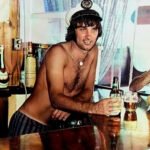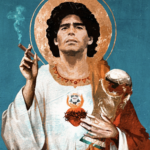
The gallery of British football heroes who never stayed away from a glass is as wide as Paul Merson’s once-legendary home bar, so we have to go back to the roots.
There was a moment when the world truly believed that football could wear the face of a rock star. Not the face of a tired labourer, not the rough silhouette of a striker dragged through mud and rain, but a long-haired boy with a rebel’s gaze and a dribble so light it felt as if the ball existed only as an excuse to dance. His name was George Best.
They called him the “Fifth Beatle,” because whenever he stepped onto the street, girls screamed and men pretended it was still just about football. But it wasn’t. It was never only about football.
Best was the first player who looked like a poster on a bedroom wall. The first who turned the pitch into a stage.
Why is the former United player still considered the king among English football’s hell-raisers, and why will there never be another one like him? Because George Best was both the prototype of a football celebrity and the archetype of a tragic sporting hero.
He entertained crowds with his play, warming himself in the glare of floodlights and in the warmth of women’s arms, yet the brighter the lights shone, the more real his fall became. Let’s take a journey through the complicated yet fascinating life of George Best.
The Death of a Prodigal
We’ll begin unusually — at the end. The body of the “Fifth Beatle” finally said enough. George died on November 25, 2005, after many years of battling alcoholism. He spent his final weeks at London’s Cromwell Hospital, and it was not the first time the former footballer had required hospitalization. Five years earlier, in 2000, he had undergone a liver transplant during which he experienced clinical death. The reason was obvious — years of terrible drinking.
His former wife, Angie MacDonald Janes, said through tears:
Other people really killed my husband. Everyone wanted to have a drink with the great George Best — every bar put one in his hand.
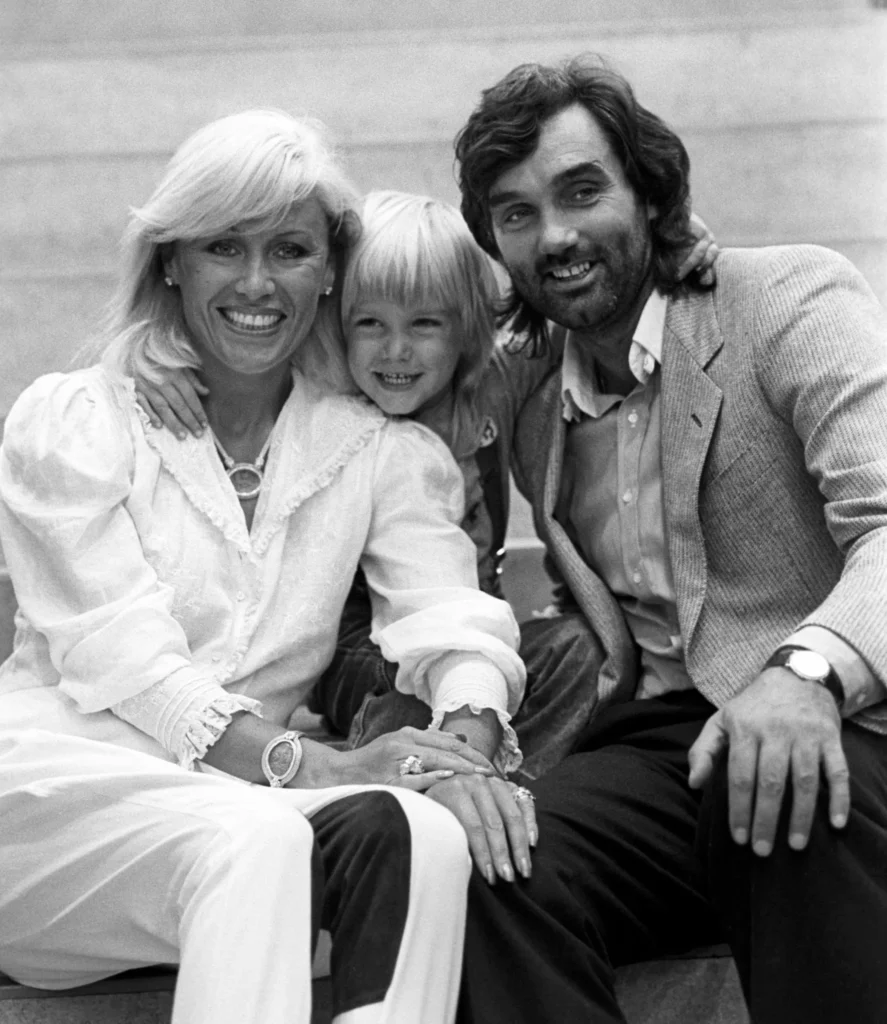
Many devoted friends tried to keep him away from alcohol, but there were always those who considered it a matter of honor to share at least one drink with the Fifth Beatle.
It was almost a public death, followed closely by the media, reporting every excess of the Manchester United icon. “Bestie” became like a living monument falling apart piece by piece in front of the audience. He lived like a star — and he died like one too. Every step was followed, every word spoken from his hospital bed recorded.
Five days before his death, News of the World published a photograph of a frail Best with the caption:
Don’t die like me.
Sound familiar? Something similar is happening now with Paul Gascoigne, who — sadly — seems to be following the path carved out by Best. George was buried in Belfast, and more than 100,000 people followed his funeral procession. The city is filled with murals bearing the famous line:
Maradona good, Pelé better, George Best.
Scandalist, Idol, Seducer – George Best
How do you capture the complicated soul of George Best?
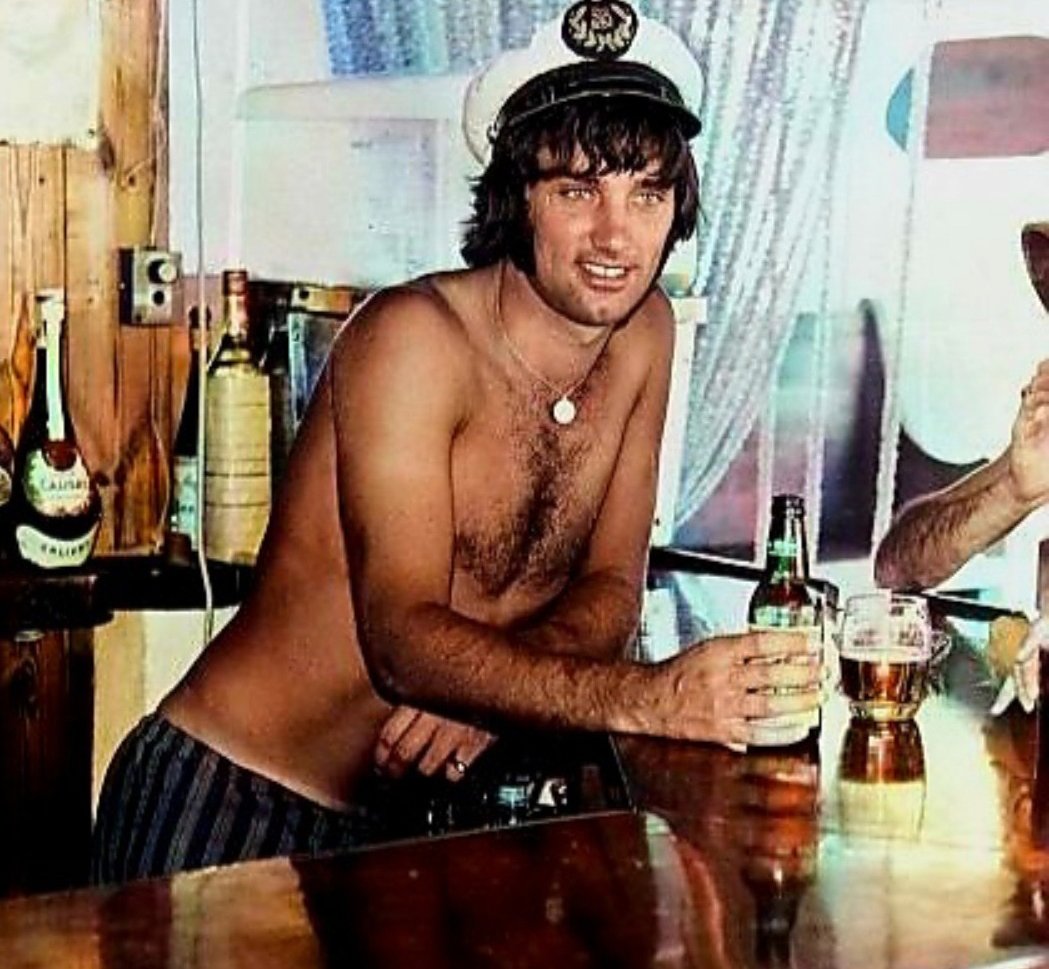
As a footballer the Irishman was great, yet the more beautiful goals he scored, the more often he reached for the bottle. Everything began to crumble at the end of the 1960s, when Georgie opened two nightclubs. They quickly became his greatest love — providing everything he wanted: free alcohol and women. He earned good money from them; after all, who wouldn’t want a drink with “El Beatle”?
Many still say that the hospitality of others eventually killed Best, though at first it all seemed innocent. Just like with Lee Sharpe years later, all of Manchester partied when Best went out on the town. United staff chased him countless times — and every time he escaped and kept partying.
Best himself described his colourful life with a mischievous smile:
In 1969 I gave up women and alcohol — it was the worst 20 minutes of my life.
Until the end, he played a game with the world, torn between joy in the life he had lived and the feeling of unfulfilled potential. He knew he had been touched by divine talent and had wasted it, yet he lived like Keith Richards of the Rolling Stones, going all in:
I’ve been very fortunate. I had a gift. I had the world at my feet — and then I had nothing: no wife, no house, no money, no self-respect… and less of a liver.
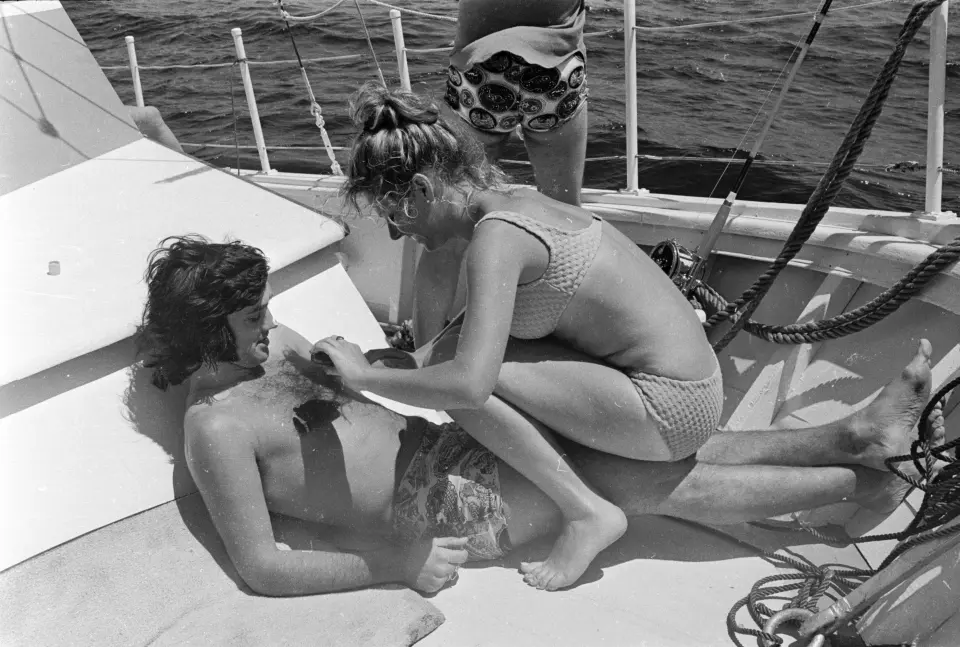
He always spoke with that characteristic sparkle in his eye, like a sly old cat talking about death but convinced he still had more lives left. Best had only one — but on the pitch he moved with a feline grace no one could match.
His fashion sense became iconic. Many say he was the first sporting celebrity — owning a boutique, advertising clothes, driving the best cars, wearing long hair before it was common among footballers. Women adored him; men envied him. He was the Prince of Manchester.
But the bubble eventually burst. After 1969 his form declined while his excesses grew. During the 1973/74 season he was released by Manchester United at just 27. His great career effectively ended there — spells in smaller English clubs or in the United States could not be considered the golden years of George Best. And he kept drinking.
Rebel and Dribbler Who Changed Football
It wasn’t always like that.
George Best was born on May 22, 1946, in Belfast. He was talented but rebellious. His first successes weren’t in football but in education — at eleven he entered Grosvenor High School, a selective academic institution focused on rugby.
He grew bored quickly. He missed his childhood friends — and above all, football. He transferred to Lisnasharragh High School and rejoined his old circle.
At first he played for Cregagh Boys Club, but his progress exceeded all expectations. Within a year he was among the most promising talents in Britain, noticed by Manchester United scout Bob Bishop, who believed he had seen a genius.
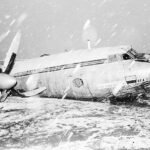
As Manchester United slowly rose from the shadows of the Munich air disaster, a new generation began to shape the club’s second heartbeat. Five years after the tragedy, a young George Best arrived and became part of that evolving revival.
The Busby Babes were rising again. On September 14, 1963, at just 17, Best made his league debut. Together with Bobby Charlton and Denis Law, he formed the core of a reborn Manchester United.
He introduced himself to England during a 5–1 victory over Burnley, scoring his first goal. Europe truly discovered him three years later when he scored twice against Benfica. The peak came in 1968 — Manchester United won the European Cup, defeating Benfica 4–1. Pelé reportedly said:
George Best is the greatest player in the world.
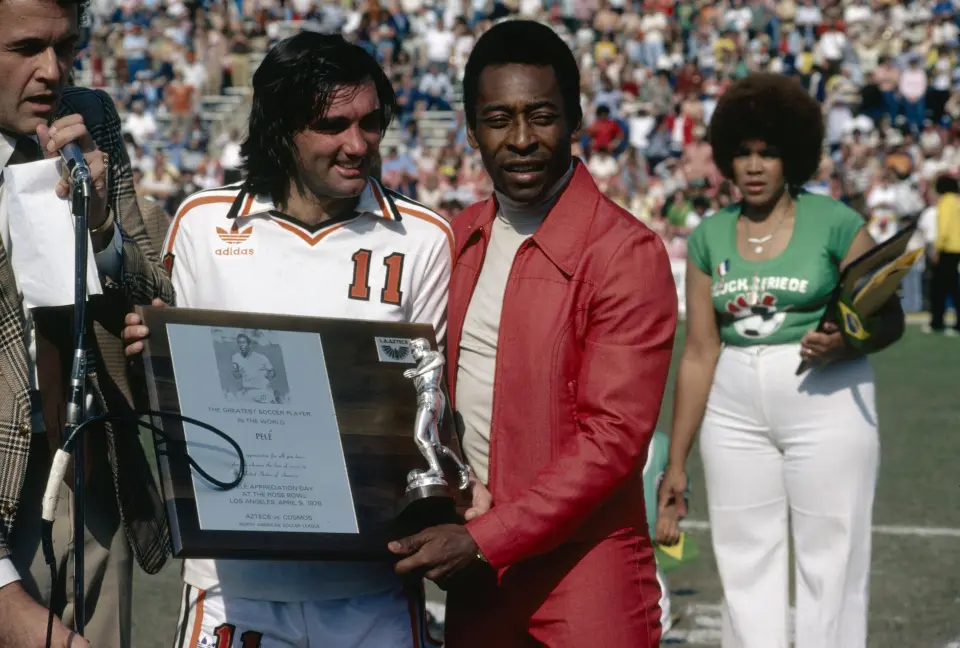
During his eleven years at Manchester United (1963–74) he played 474 matches and scored 181 goals. Across his entire career he played 709 games and scored 253 goals. He won the English league in 1965 and 1967, the European Cup in 1968, and the Ballon d’Or that same year.
At 22 he stood at the summit — and that was when the descent began.
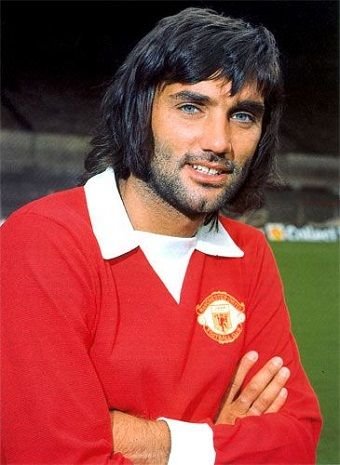
Death Written in the Genes
Alcoholism haunted not only George but his family. His mother Ann drank herself to death at 54; George died at 59. Ann had been an abstainer until age 44, when relentless media attention drove her toward alcohol.
The more famous George became, the more both of them drank. Many believe fame — and the inability to cope with it — destroyed them.
Beloved Brother, Unusual Father
His younger sister Barbara said:
To the world he was the biggest football star — to me he was just my big brother.
His father was a dock worker and a talented amateur footballer; his mother a skilled hockey player. Sport ran in the family.
When George left for Manchester at fifteen, it felt like another planet. He was still childlike — he even received his first pair of long trousers only when travelling for talks with United.
Prince of Life
There will never be another George Best — a great footballer, an unstoppable seducer, a man who lived as if time had granted him more than one life and he intended to spend all of them at once. His real football ended at twenty-seven, leaving behind the quiet, stubborn question of what might have been had he chosen a different road.
He liked to play with his own legend, suggesting with a crooked smile that perhaps the world would have spoken less about Pelé if fate had not given him a face made for headlines. Around him grew an endless chain of stories — women, long nights that bled into mornings, forgotten cars, six-goal explosions in the FA Cup, hotel wake-up calls ordered long after dawn had already passed.
Even when he told those stories, there was rarely malice in them. He understood that fame was a shared illusion, that fast cars and heavy wallets would always pull young women closer, yet he preferred to keep his tales within certain boundaries, as if protecting both himself and those who had wandered briefly into his orbit.
That was Best — king of the party, yet quietly withdrawn somewhere beneath the noise. A man who treated intimacy and chaos with the same casual shrug, speaking about his private life with the ease of someone for whom even the most scandalous moments felt like just another detail in a much larger, restless story.
Epilogue
How do you summarize George Best in one scene?
An English hotel room with a casino downstairs. Champagne chilling in a bucket. Money scattered across the bed. Mary Stavin, newly crowned Miss World, brushing her hair. Best opens a bottle of Dom Pérignon and hands a Belfast bellboy a fifty-pound note.
The young man looks at the woman, the money, the tired face of a legend — and asks:
Mr Best… where did it all go wrong?
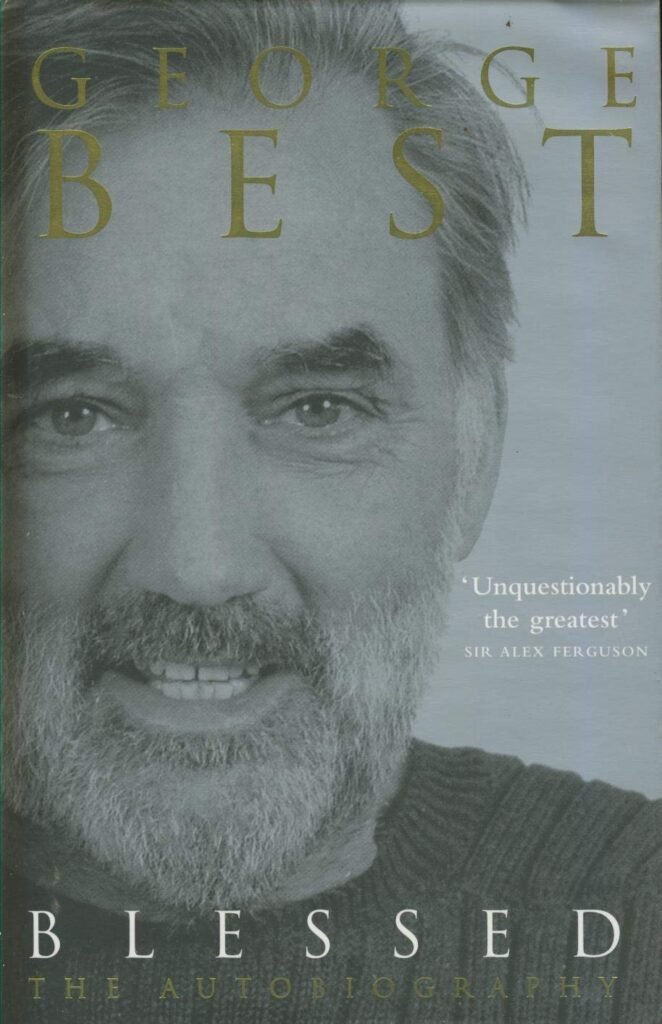
George Best: Blessed
George Best was blessed with an extraordinary gift; he brought beauty and grace to soccer never before seen.
But he was unable to cope with the success and fame his genius brought and his life story is littered with tales of women, sex and, of course, drink. George Best here tells his own dramatic and inspiring story.